 The Biological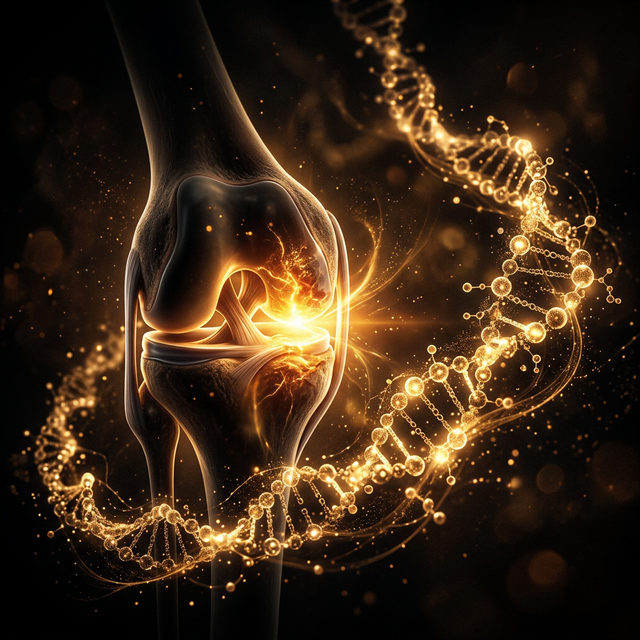
Disclosure: This article contains affiliate links. We may earn a commission if you purchase through our links, at no extra cost to you. We only recommend products and services we believe in.
Medical Disclaimer: This content is for informational purposes only and is not medical advice. Always consult with a qualified healthcare provider before starting any new protocol.
Recovery is where biology wins or loses. You can train perfectly, eat perfectly, and sleep perfectly — but if your body can't repair tissue efficiently, you plateau. Peptides offer a tool to accelerate this biological process by working with your body's natural repair mechanisms rather than overriding them.
This guide ranks the most effective recovery peptides by strength of evidence, explains how each works, and provides practical protocols. We also cover which peptides to combine and which to avoid stacking.
Disclaimer: All peptides discussed here are research compounds, not FDA-approved medications. Use only under physician guidance. Evidence is primarily from animal models unless noted otherwise.
Tier 1: Strong Evidence
BPC-157 (Body Protection Compound-157)
Best for: Tendon injuries, ligament sprains, gut healing, joint inflammation
Evidence level: 100+ published studies (primarily animal models)
BPC-157 remains the most-researched healing peptide available. Its primary mechanisms — angiogenesis promotion, nitric oxide modulation, and growth factor receptor upregulation — make it particularly effective for injuries involving tendons, ligaments, and soft tissue. The published research consistently shows accelerated healing timelines and improved tissue quality compared to controls.
Protocol: 250-500 mcg subcutaneous, 2x daily, injected near the injury site. 4-8 week cycles.
Full guide: BPC-157 Complete Guide
TB-500 (Thymosin Beta-4)
Best for: Muscle tears, systemic inflammation, flexibility, chronic overuse injuries
Evidence level: 50+ published studies
TB-500 promotes recovery through cell migration, actin upregulation, and anti-fibrotic (anti-scar tissue) activity. Its systemic distribution means it can reach injuries throughout the body regardless of injection site — making it ideal for athletes with multiple areas of inflammation or overuse.
Protocol: 5mg subcutaneous, 2x weekly (loading, 4 weeks), then 2.5mg weekly (maintenance).
Full guide: TB-500 + BPC-157 Stack
Recovery Peptides Ranked by Evidence
| Peptide | Evidence Tier | Best For | Monthly Cost | Protocol Complexity | |
|---|---|---|---|---|---|
| BPC-157 | Tier 1 — Strong | Tendons, ligaments, gut | $60-120 | Low (2x daily subQ) | |
| TB-500 | Tier 1 — Strong | Muscle, systemic inflammation | $100-200 | Low (2x weekly subQ) | |
| Ipamorelin + CJC-1295 | Tier 2 — Moderate | GH-mediated recovery, sleep | $200-400 | Moderate (daily subQ) | |
| Sermorelin | Tier 2 — Moderate | Sleep, general recovery | $150-300 | Low (daily subQ) | |
| GHK-Cu | Tier 3 — Emerging | Skin, wound healing, collagen | $40-80 (topical) | Very low (topical) |
Tier 2: Moderate Evidence
Ipamorelin + CJC-1295 (Growth Hormone Secretagogues)
Best for: Overall recovery enhancement, improved sleep quality, body composition
Evidence level: Multiple clinical studies on GH secretagogues; recovery benefits inferred from GH elevation
The Ipamorelin + CJC-1295 stack doesn't heal injuries directly — it elevates growth hormone levels, which supports recovery processes systemically. Higher GH means faster muscle repair, improved collagen synthesis, better sleep architecture (where most recovery occurs), and enhanced immune function.
This stack is most useful as a "recovery amplifier" — it makes everything else work better. Combined with BPC-157 and TB-500, it creates a comprehensive recovery protocol.
Protocol: CJC-1295 100mcg + Ipamorelin 200-300mcg subQ before bed, daily.
Full comparison: Sermorelin vs Ipamorelin
Sermorelin
Best for: Sleep-mediated recovery, general anti-aging, gentle GH optimization
Evidence level: Previously FDA-approved; well-characterized GH elevation
Sermorelin's recovery benefit comes primarily through improved sleep quality. By deepening slow-wave sleep — the phase where growth hormone peaks and tissue repair is most active — it creates a better nightly recovery environment. It's the gentlest option on this list and is well-suited for men over 40 looking for long-term, low-side-effect GH support.
Protocol: 200-300mcg subcutaneous before bed on an empty stomach.
Get the Recovery Stack Builder
A visual guide to building your peptide recovery stack based on injury type, budget, and experience level.
Tier 3: Emerging / Specialized Evidence
GHK-Cu (Copper Peptide)
Best for: Skin healing, wound recovery, collagen synthesis, topical application
Evidence level: Moderate (primarily topical application studies)
GHK-Cu is a naturally occurring copper-binding peptide that plays a role in wound healing, collagen synthesis, and tissue remodeling. It's available in both topical (cream/serum) and injectable forms, though the topical evidence is stronger. For recovery purposes, GHK-Cu is most useful for surface-level injuries, surgical wound healing, and skin quality improvement.
Pentadecapeptide (PDA)
Best for: Emerging research area — gut and tissue healing
Evidence level: Early-stage research
Related to BPC-157, pentadecapeptide research is growing but still early. It shows promise for similar applications with potentially different pharmacokinetic properties. Worth monitoring, but BPC-157 remains the better-characterized option for now.
Recovery Stack Protocol
For comprehensive recovery — whether from a specific injury or the accumulated stress of training — here is the most evidence-based stack protocol:
- Foundation: BPC-157 (250-500mcg 2x daily near injury) + TB-500 (5mg 2x weekly loading, then 2.5mg weekly)
- Amplifier: CJC-1295 (100mcg) + Ipamorelin (200-300mcg) before bed
- Topical: GHK-Cu serum applied to surface injuries or surgical sites
- Duration: 8-12 weeks, followed by 4-week break
Budget option: BPC-157 alone provides the best evidence-to-cost ratio for tendon and ligament injuries at $60-120/month.
Vetted Peptide Source
Third-party tested with every batch, certificates of analysis publicly available, HPLC purity consistently above 99%. BPC-157, TB-500, and secretagogue peptides available.
View Recovery PeptidesOur Verdict
For targeted injury recovery, BPC-157 + TB-500 is the strongest evidence-based stack. For general recovery optimization, add a growth hormone secretagogue (Ipamorelin + CJC-1295 or Sermorelin) to amplify sleep and systemic repair. Budget option: BPC-157 alone at $60-120/month offers the best evidence-to-cost ratio.
Written By
Todd Funk
Founder & Lead Researcher
Three years of research, testing, and personal optimization. I write from experience — not theory. Every protocol on this site is one I've tested on myself, with lab data to back it up.
Get the Optimization Stack
The exact labs, protocols, and tools 10,000+ men use to take control of their biology. Delivered weekly.