 The Biological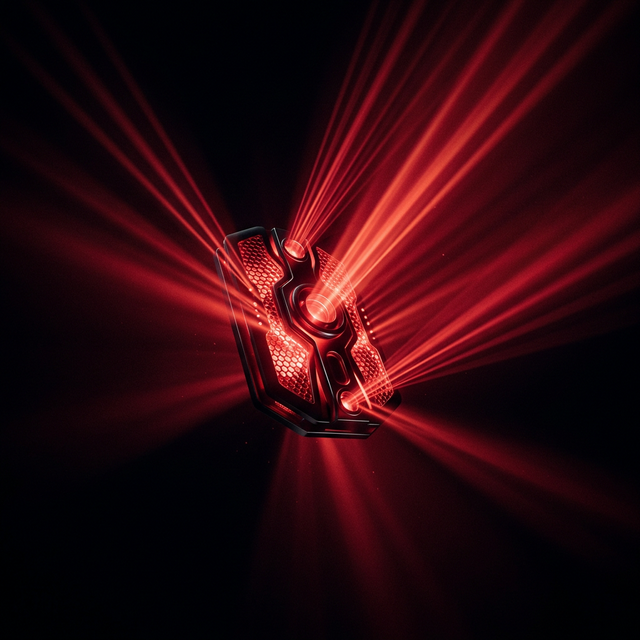
Disclosure: This article contains affiliate links. We may earn a commission if you purchase through our links, at no extra cost to you. We only recommend products and services we believe in.
Red light therapy — also called photobiomodulation (PBM) or low-level laser therapy (LLLT) — uses specific wavelengths of red and near-infrared light to stimulate cellular energy production, reduce inflammation, and accelerate tissue repair. The science is stronger than most people realize, with over 5,000 published studies spanning dermatology, sports medicine, neurology, and gerontology.
This guide covers the mechanism of action, evidence by application, optimal protocols, and the devices worth buying. We cut through the marketing claims to focus on what the published research actually supports.
How It Works: The Mitochondrial Mechanism
Red light therapy works through a remarkably well-characterized mechanism. When red (630-660nm) or near-infrared (810-850nm) photons penetrate the skin, they are absorbed by cytochrome c oxidase (CCO), a key enzyme in the mitochondrial electron transport chain. This interaction:
- Increases ATP production — by enhancing mitochondrial efficiency, cells produce more energy
- Reduces oxidative stress — by improving electron flow and reducing reactive oxygen species
- Releases nitric oxide (NO) — improving blood flow and reducing inflammation
- Activates cellular signaling pathways — including NF-kB, which regulates gene expression involved in inflammation, immunity, and cell survival
This is not pseudoscience — the mechanism is well-established in peer-reviewed literature. The controversy is not whether red light affects cellular function (it does), but rather which specific clinical applications have sufficient evidence to recommend.
Evidence by Application
Red Light Therapy — Evidence by Application
| Application | Evidence Level | Key Findings | |
|---|---|---|---|
| Skin health / collagen | Strong (RCTs) | Improved skin complexion, collagen density, and wrinkle reduction | |
| Wound healing | Strong (RCTs) | Accelerated wound closure, reduced scarring | |
| Pain / inflammation | Moderate-Strong | Reduced joint pain, muscle soreness, and inflammatory markers | |
| Muscle recovery | Moderate | Reduced DOMS, improved performance when applied pre-exercise | |
| Hair growth | Moderate | Increased hair density in androgenetic alopecia | |
| Testosterone | Preliminary | Animal data suggests testicular PBM may increase T; limited human data | |
| Cognitive function | Emerging | Transcranial PBM shows promise for TBI, depression, and cognitive performance |
Skin Health — Strong Evidence
The dermatological evidence for red light therapy is the strongest across all applications. A landmark 2014 RCT published in Photomedicine and Laser Surgery showed that subjects treated with red light (633nm) showed significant improvements in skin complexion, collagen density, and wrinkle reduction compared to controls. Multiple subsequent studies have confirmed these findings.
The mechanism is direct: red light stimulates fibroblasts (the cells responsible for collagen production) and increases collagen synthesis. Near-infrared light penetrates deeper and addresses inflammation and tissue repair at the dermal level. For anti-aging skin health, the evidence supports consistent use of red + near-infrared combination therapy.
Pain and Inflammation — Moderate-Strong Evidence
Over 100 clinical trials have evaluated PBM for pain conditions. Meta-analyses show positive effects for chronic joint pain (particularly knee osteoarthritis), neck pain, and muscle soreness. The proposed mechanism involves reduced inflammatory cytokines, improved microcirculation, and enhanced tissue repair.
For athletes, the most practical application is pre-exercise PBM. Several studies show that applying red/NIR light to muscles BEFORE exercise reduces delayed-onset muscle soreness (DOMS) and may improve performance. This is counterintuitive — but the evidence suggests that "pre-loading" mitochondria with photons enhances cellular energy production during subsequent exercise.
Get the Recovery Protocol Guide
Cold plunge, sauna, red light therapy, and sleep optimization protocols. The exact schedule and equipment we use.
The Optimal Protocol
Based on the published research, here are the recommended parameters for effective red light therapy:
- Wavelengths: Dual wavelength — 660nm (red) + 850nm (near-infrared). Red targets skin and superficial tissues. NIR penetrates deeper for muscle, joint, and systemic effects.
- Duration: 10-20 minutes per targeted area. More is not necessarily better — there's a biphasic dose response where excessive exposure can diminish benefits.
- Distance: 6-12 inches from the panel for optimal power density (irradiance).
- Frequency: Daily or 5x per week for therapeutic effects. Consistency matters more than individual session length.
- Timing: Morning is ideal for energy and circadian benefits. Pre-workout for performance. Evening for recovery.
- Eye protection: Not technically required for panel-based devices at recommended distances, but many people prefer wearing red light therapy glasses for comfort.
Best Devices
The device market ranges from $50 wands to $3,000+ full-body panels. Key criteria for choosing a quality device:
- Dual wavelength: Must offer both 660nm and 850nm (or very close). Single-wavelength devices miss half the benefit spectrum.
- Sufficient irradiance: At treatment distance (6-12"), the device should deliver 50-100+ mW/cm². Cheap devices often deliver under 20 mW/cm², requiring impractically long sessions.
- Low EMF: Quality panels keep EMF emissions minimal at treatment distance.
- Third-party testing: Wavelength accuracy and power output should be independently verified.
Joovv Solo 3.0
The most clinically validated red light panel. Dual wavelength (660nm + 850nm), modular design (combine multiple panels for full body coverage), and third-party tested specifications.
Visit JoovvOur Verdict
Red light therapy is genuinely evidence-based for skin health, pain reduction, and muscle recovery. The key is consistency (daily 10-20 minute sessions), dual wavelength (660nm + 850nm), and sufficient power density. Joovv is the most validated panel brand. Start with a targeted panel for face and upper body, then expand to full-body coverage if you see benefits.
Written By
Todd Funk
Founder & Lead Researcher
Three years of research, testing, and personal optimization. I write from experience — not theory. Every protocol on this site is one I've tested on myself, with lab data to back it up.
Get the Optimization Stack
The exact labs, protocols, and tools 10,000+ men use to take control of their biology. Delivered weekly.